
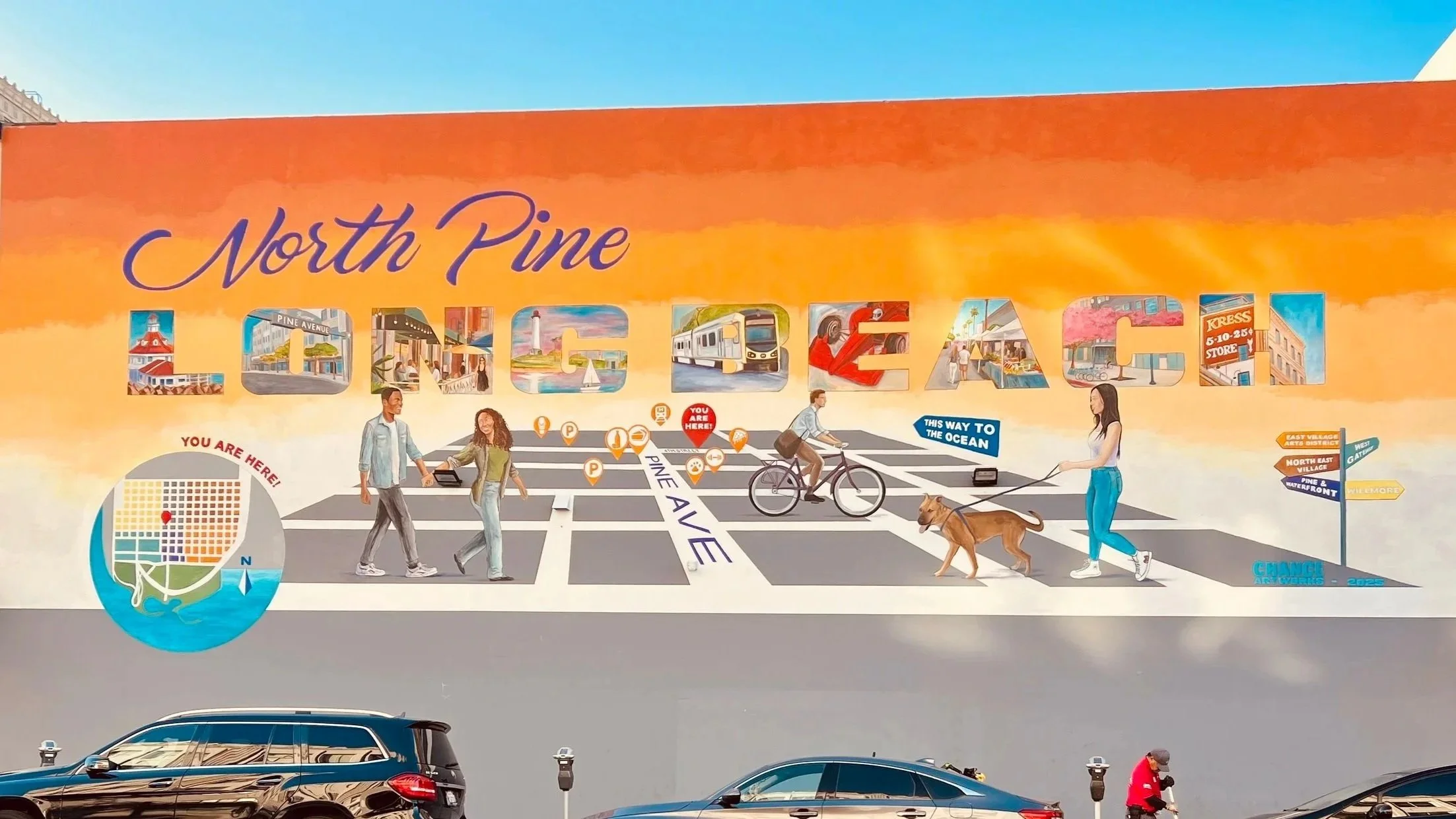
BIG ideas and insights from the West Coast’s 2026 Urban District Conference in
Long Beach, California
IDA + CDA
Place Matters
Photo Credit: Jeremy Ferguson, Executive Director of Animated Minds.
? ? ?
BIG Questions we are bringing to Long Beach
? ? ?
CDA + IDA are unique places to learn from the best of the best in the Urban Place District Management field. We are excited to be among the wealth of presenters, and we are going in with lots of curiosity. We will be posting dispatches from the conference along the way. If you’re going, Say Hi!
How do we expand impact if the resources that built this field are shrinking?
It’s not a new story that Business Improvement Districts and Community Benefit Districts are being asked to do more. At the same time, assessment revenue often struggles to keep pace with the rising cost of existing services — let alone the expectations for new initiatives.
So where is new capacity coming from?
Are districts identifying new revenue sources? Forming partnerships that extend their reach? Leveraging their structure and credibility to unlock resources that didn’t previously exist?
Across the field, leaders are experimenting with new approaches. I’m curious to hear what’s working — and what might shape the next phase of district management.
Have the metrics of success for a district changed — and should they?
For decades, downtown districts have measured success through familiar indicators: pedestrian counts, vacancy rates, and retail sales per square foot. These are important signals of economic health, and they will always matter.
But the context in which districts operate has shifted. Communities are navigating climate pressures, social fragmentation, political instability, and widening economic divides.
If our goal is to create places where people want to spend time, build relationships, and feel a sense of belonging, we should ask a simple question: are our current metrics capturing the cultural and social vitality of a place?
Where should downtown districts be looking for their next strategic partnerships?
Downtown districts have traditionally built strong partnerships with chambers of commerce, arts organizations, universities, and major employers. Those relationships remain essential.
But the role of downtown itself is evolving. The patterns of how people live, work, and spend time in cities are shifting, and the expectations placed on districts continue to expand.
If downtowns are becoming more complex civic ecosystems rather than simply commercial centers, the question becomes: who should be helping to shape and steward them?
What new kinds of partners might help districts build resilience, expand capacity, and create places that serve communities more broadly?
Creativity drives downtown vitality, but rising real estate costs are pushing artists and makers out. This session introduces Creative Land Trusts as a tool to preserve affordable cultural spaces, stabilize creative communities and anchor long-term economic growth. Panelists will highlight breakthrough models, lessons learned and actionable approaches cities can replicate to safeguard their creative future.
Securing Downtown’s Creative Future
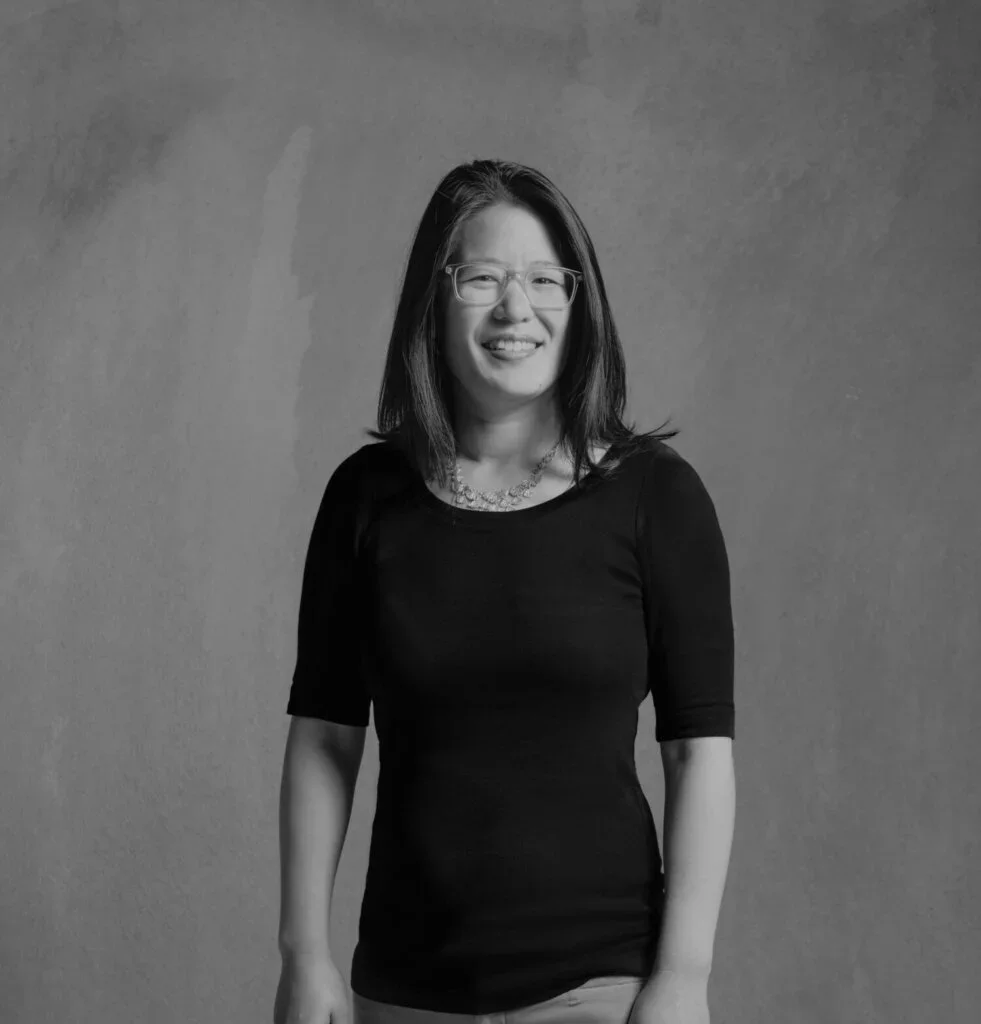
Carolyn Choy
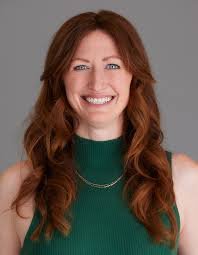
Liz O’Malley
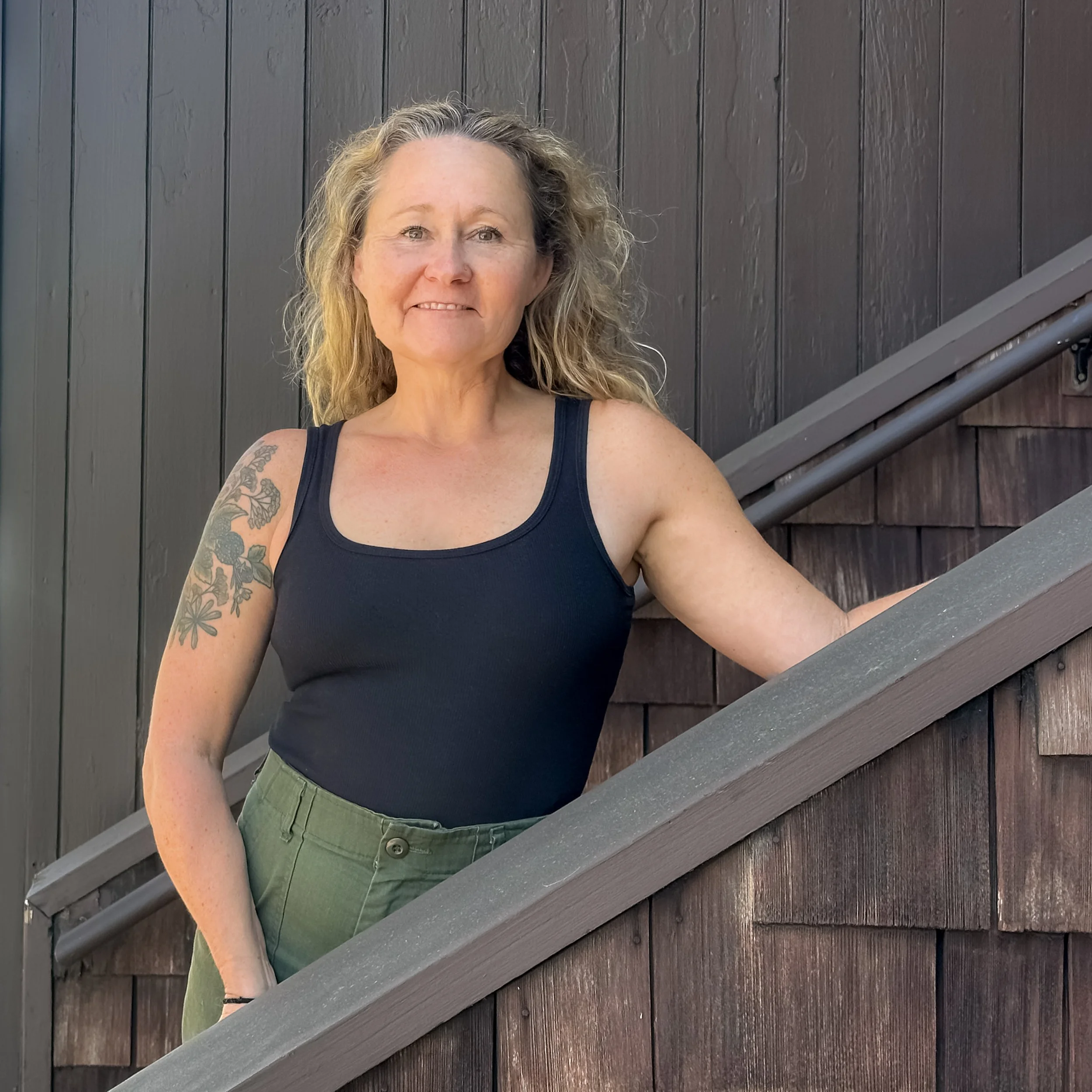
Abra Allan
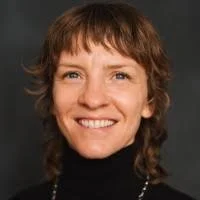
Julie Phelps
Creativity drives downtown vitality, but rising real estate costs are pushing artists and makers out. This session introduces Creative Land Trusts as a tool to preserve affordable cultural spaces, stabilize creative communities and anchor long-term economic growth. Panelists will highlight breakthrough models, lessons learned and actionable approaches cities can replicate to safeguard their creative future.
Learning Objectives:
Explain the role of Creative Land Trusts in strengthening downtown economies and creative ecosystems.
Ability to analyze case studies where land trusts secured long-term affordability for creative spaces.
dentify strategies to apply Creative Land Trust models to their own downtown development challenges.
Moderator:
Abra Allan, Founder/CEO, Big Creative Consulting (San Francisco, CA)
Speakers:
Carolyn Choy, Managing Director of Real Estate, Community Arts Stabilization Trust (San Francisco, CA)
Liz O’Malley, Director, Arts Strategy & Ventures, Kenneth Rainin Foundation (Oakland, CA)
Julie Phelps, Artistic & Executive Director emeritus, CounterPulse (San Francisco, CA)
Time and Location:
Wednesday, Mar 11 - 3:45 - 5:00pm - Centennial Salon D room