
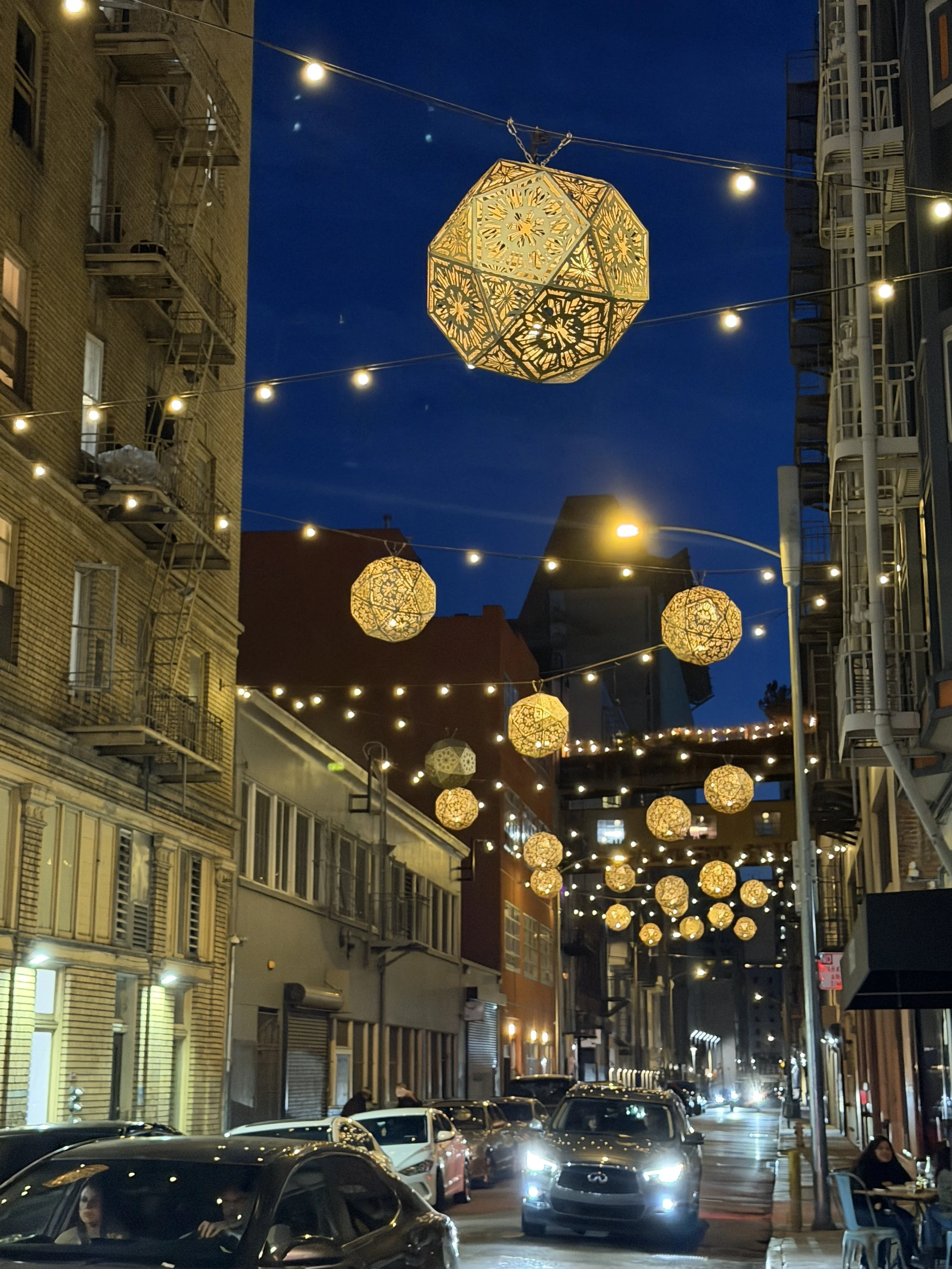

Exploring neighborhoods
and connecting with neighbors.

SoMa Saturday Salon
Saturday, May 2nd, 5pm
Facilitated conversation exploring how the story of a place is told.
Featuring
Desi Danganan - Kultivate Labs
Stuart Schuffman - Broke-Ass Stuart
Liz Cahill - Decentered Arts - Piles Collective
Lex Montiel - SF Eagle
Moderated by
Alex Ludlum - SoMaWest CBD

SoMa Sunday Stroll
Sunday , May 3rd, 11am
Janes Walk - Explore SoMa West on a guided walk as we invite you to observe how a district’s stories are manifested in the built and natural environment
Starting at Cafe Suspiro
1246 Folsom Street
Featuring
New Bohemian Signs

A BIG Creative Invitation
Jane’s Walk - San Francisco
Walk and Talk with your Neighbors!
Join Big Creative Consulting—and communities around the world—in celebrating the ideas of Jane Jacobs during Jane’s Walk weekend.
Through walking, conversation, observation, and community, SF Slow: SoMa invites you to explore a neighborhood not just as a place, but as a living story.
How is the story of a place told?
Who tells it?
How does it change over time—and how does it shape the place itself?
Where do those stories show up in the built and natural environment?
Across two connected events—a conversation and a neighborhood stroll—we’ll explore these questions together.
The goal isn’t answers.
It’s to deepen our connection to place, and to each other.
Sponsors, Supporters and Friends







About Jane’s Walk - San Francisco
Jane’s Walk is a movement of free, citizen-led walking conversations inspired by Jane Jacobs.
The festival encourages people to share stories about their neighbourhoods, discover unseen aspects of their communities, and use the art of walking as a way to connect with their neighbours.

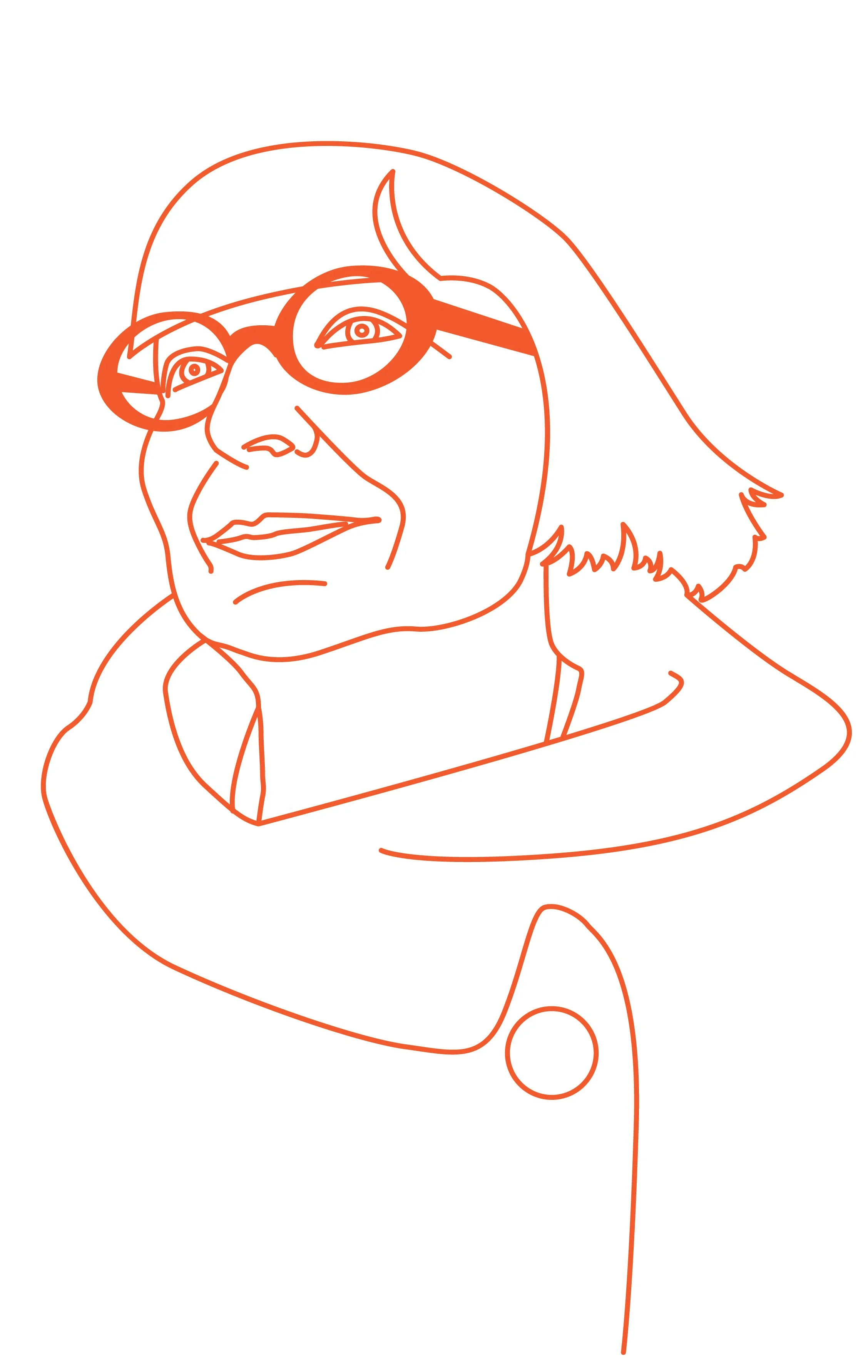
Jane Jacobs (1916-2006) was a writer, urbanist and activist who championed a community-based approach to city-building. She had no formal training as a planner, and yet her 1961 book, The Death and Life of Great American Cities, introduced ground-breaking ideas about how cities function, evolve, and fail that have become conceptual pillars for today’s architects, planners, policymakers, activists, and other city builders.
Jacobs lived in Greenwich Village until 1968 when she moved to Toronto. In both cities, she helped derail the car-centred approach to urban planning and invigorated neighbourhood and community activism.